

Sequence Creates Meaning
This week’s muse arrives slightly later than usual.

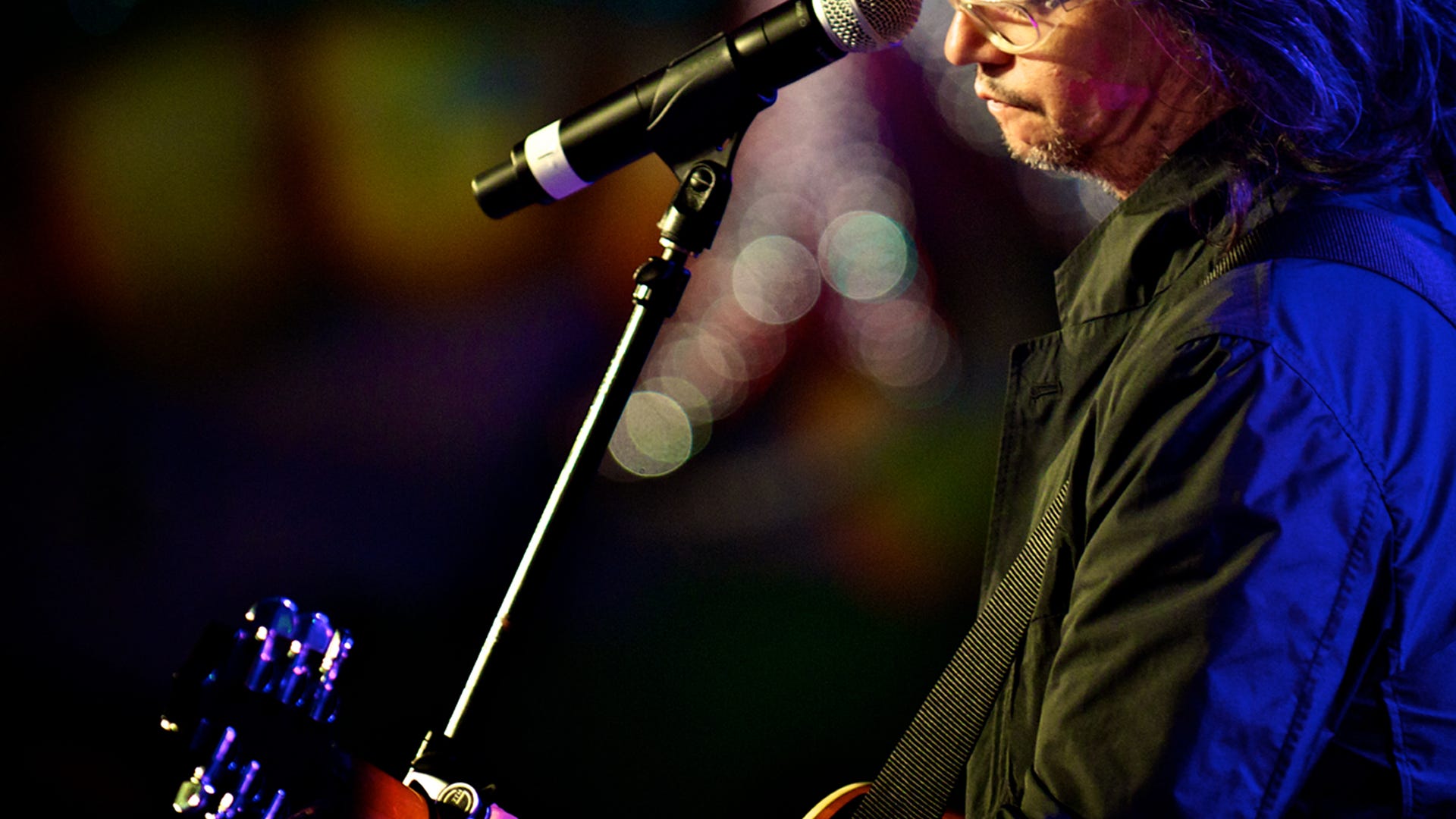
Somewhere between time zones, turbulence, and the strange stillness of air travel.
Which feels oddly appropriate for the story itself.
Because most meaningful ideas rarely arrive when we expect them to.
Not neatly.
Not on schedule.
Not “once upon a time,” like the opening lines of traditional stories.
More often, they arrive in transit.
Between places.
Between conversations.
Between versions of ourselves.
Meaning itself needs distance before it can fully reveal its shape.
I’ve always found it interesting that some thoughts only become clear after movement.
After the meeting.
After the workshop.
After the applause.
After the room empties.
As though meaning itself needs distance before it can fully reveal its shape.
And maybe that’s because meaning has always been less about information…
…and more about sequence.
Recently, I’ve been thinking a lot about how differently ideas arrive.
Some arrive loudly.
In rooms.
During workshops.
Mid-conversation.
Half-finished and chaotic.
A spark from someone across the table.
A sentence that accidentally unlocks another sentence.
Energy moving faster than logic can explain it.
But other ideas only reveal themselves later.
On the walk back to the hotel.
On the plane home.
In the silence after everyone disappears.
At 2am staring at notes that suddenly mean something different than they did a few hours earlier.
It’s strange.
Some of the most important realizations in my life didn’t happen in the moment itself.
They happened in the sequence after it.
We are living in the most informationally abundant moment in human history.
Ideas arrive endlessly.
Content never stops.
Opinions refresh by the second.
Entire presentations can materialize before we’ve even fully formed a thought.
And yet somehow, many people feel more lost than ever.
Not because there’s a lack of information.
Because there’s a lack of coherence.
Maybe information was never the thing we were actually searching for.
Maybe what humans have always searched for is meaning.
And meaning has structure.
Not content.
Sequence.
The power of a story is rarely the information itself. It’s the sequencing.
I’ve been thinking about this while speaking at leadership gatherings and workshops with young creatives entering this next era.
Everyone wants to talk about storytelling right now.
Narrative.
Story arcs.
Presentation structure.
How to communicate more effectively.
But underneath all of it sits a deeper realization:
The power of a story is rarely the information itself.
It’s the sequencing.
What comes first.
What gets withheld.
Where tension sits.
When silence appears.
What earns resolution.
What changes us by the end.
Sequence creates meaning.
That’s true in presentations.
In film.
In music.
In memory.
Even in identity itself.
Because humans don’t experience life as isolated data points.
We experience it as progression.
One moment reframing another.
A conversation making sense years later.
A rejection eventually becoming direction.
An old failure suddenly revealing its purpose in retrospect.
Meaning rarely arrives all at once.
Usually it arrives slowly…
…after enough sequence has occurred.
And maybe that’s why so much modern communication feels strangely empty despite being technically correct.
We’ve become exceptional at generating fragments.
But fragments are not meaning.
A deck full of data is not a narrative.
A thousand prompts are not perspective.
A perfectly optimized feed is not identity.
A flood of outputs is not wisdom.
Intelligence can generate information. Wisdom knows where to place it.
This feels especially important now as AI begins generating increasingly sophisticated outputs.
Images.
Strategies.
Presentations.
Essays.
Campaigns.
Entire worlds.
But generation is not the same thing as sequencing.
And I think that distinction matters more than we realize.
Because what separates great filmmakers from people with cameras is not access to footage.
It’s pacing.
What separates great speakers from people with slides is not information.
It’s emotional timing.
What separates memorable brands from forgettable ones is not content volume.
It’s coherence.
The feeling that every touchpoint belongs to the same emotional architecture.
The same belief system.
The same world.
And yet, solitude still matters.
Deeply.
I’ve noticed something recently after workshops and speaking engagements.
The room gives me energy.
But the understanding comes later.
Not during applause.
Not during conversation.
Not while presenting.
Later.
Alone.
That quiet stretch after collision where ideas begin rearranging themselves into meaning.
The room sparks the thought. Solitude lets you hear it.
Maybe that’s why creativity has always required two opposing forces:
Gathering and retreat.
The room sparks the thought.
Solitude lets you hear it.
One expands the idea.
The other reveals it.
Maybe the problem is not that modern culture has become too connected or too isolated.
Maybe it’s that we’ve disrupted the rhythm between the two.
We are either permanently performing…
or permanently consuming.
Always connected.
Rarely reflective.
Always generating.
Rarely distilling.
But creativity has always moved rhythmically between exposure and contemplation.
Collision and clarity.
Noise and silence.
The world enters us collectively.
Meaning forms privately.
And perhaps that’s the deeper challenge of this era.
Not learning how to create more.
Learning how to connect things.
To shape them.
To sequence them.
To turn information into understanding.
And noise into meaning.
It’s a great reminder…